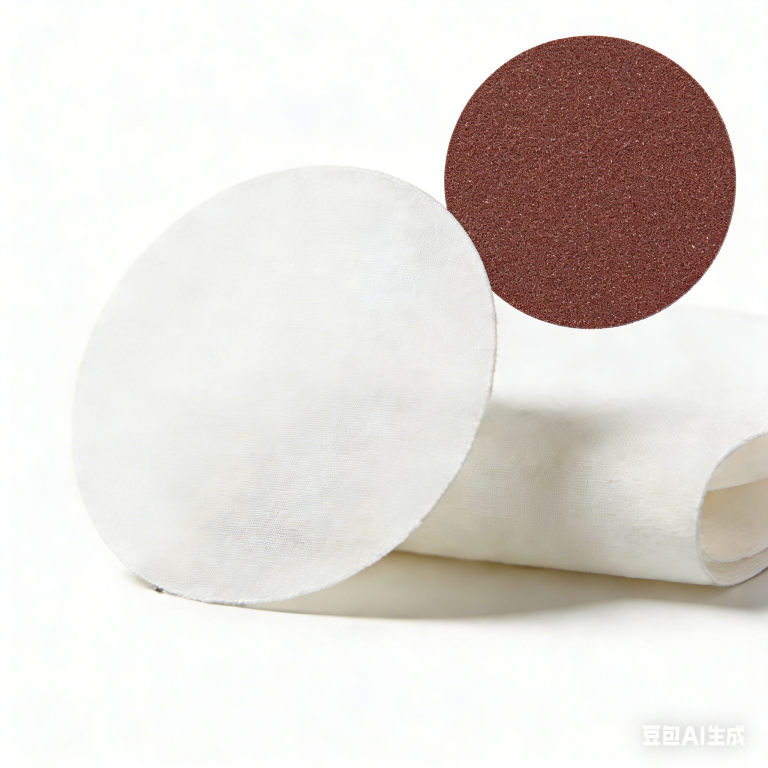
Velcro cloth for abrasive has emerged as a versatile material widely used in various industries, including manufacturing, construction, and automotive repair. Its unique hook-and-loop structure combined with abrasive properties makes it indispensable for tasks such as surface sanding, polishing, and cleaning. However, in an increasingly competitive market, the ability to customize this material through printing has become a key differentiator. Printing on Velcro cloth for abrasive not only enhances its aesthetic appeal but also adds functional value, making it more recognizable and marketable. This article delves into the printing techniques, customizable elements, advantages, development trends, and concludes with insights into the future of this niche yet promising field.
1. Printing Techniques: Cold Printing vs. Transfer Printing
When it comes to printing on Velcro cloth for abrasive, two primary techniques have proven to be effective and reliable: cold printing and transfer printing. Each method possesses distinct characteristics that make it suitable for specific applications and requirements.
Cold printing, also known as direct cold transfer printing, is a method that involves applying ink directly onto the Velcro cloth surface without the need for high-temperature heating. This technique utilizes special inks that can adhere to the abrasive cloth’s texture even at room temperature. One of the key advantages of cold printing is its gentle treatment of the Velcro material. Since it avoids high heat, the integrity of the hook-and-loop structure and the abrasive properties of the cloth are preserved, ensuring that the material’s performance remains uncompromised. Additionally, cold printing offers quick drying times, which increases production efficiency, making it ideal for large-scale orders. It is particularly suitable for Velcro cloth used in applications where material strength and flexibility are critical, such as in precision sanding tools.
Transfer printing, on the other hand, is a two-step process that involves first printing the desired design onto a transfer medium (such as paper or film) and then transferring the design onto the Velcro cloth using heat and pressure. This technique is renowned for its high-quality print results, with sharp details, vibrant colors, and excellent color fastness. Transfer printing can reproduce intricate patterns and fine text with greater accuracy compared to cold printing, making it a preferred choice for brands that prioritize visual precision. However, it requires specialized equipment for the transfer process and may have a slightly longer production cycle due to the additional step. Despite this, it is widely used for premium Velcro cloth products where aesthetic excellence is a top priority, such as in branded abrasive tools for professional use.
2. Customizable Elements: Logos, Texts, and Patterns
One of the most significant benefits of printing on Velcro cloth for abrasive is the ability to customize it with a wide range of elements, including logos, texts, and patterns. This level of customization caters to the diverse needs of businesses and end-users alike.
Logos are perhaps the most common customization element. For manufacturers and brands, printing their logos on Velcro cloth for abrasive serves as a powerful branding tool. It allows their products to stand out on store shelves and in professional settings, increasing brand visibility. Whether it is a small corporate logo or a larger brand emblem, printing technology can accurately reproduce it on the abrasive cloth, ensuring that the brand identity is consistently presented.
Texts are another essential customizable feature. Manufacturers can print important information such as product specifications (e.g., grit size, material type), usage instructions, safety warnings, and batch numbers directly onto the Velcro cloth. This not only provides valuable information to users but also enhances the product’s professionalism and reliability. For example, a Velcro abrasive cloth used for metal sanding can have text indicating “80 Grit – For Medium Sanding” printed on it, making it easy for users to identify the right tool for the job.
Patterns offer endless possibilities for customization. From simple geometric shapes to complex decorative designs, patterns can be printed to meet specific aesthetic or functional needs. Some manufacturers opt for patterns that improve grip, while others use them to create a unique and visually appealing product. For instance, a Velcro abrasive cloth designed for household use may feature a colorful floral pattern to make it more attractive to consumers, while one used in industrial settings may have a striped pattern for easy identification among different tools.
3. Enhanced Recognition, Awareness, and Competitiveness
Printing identifiers such as logos, texts, and patterns on Velcro cloth for abrasive brings about significant advantages in terms of recognition, awareness, and market competitiveness.
Firstly, printed identifiers greatly enhance the product’s recognizability. In a market flooded with similar abrasive products, a Velcro cloth with a distinct logo or pattern is much easier for consumers to identify and remember. This helps in building brand loyalty, as customers are more likely to choose a product they can easily recognize and associate with quality.
Secondly, it increases brand awareness. Every time a printed Velcro abrasive cloth is used, it serves as a mobile advertisement for the brand. Whether in a professional workshop or a home garage, the visible logo or brand name exposes the brand to a wider audience, including potential customers who may not have been aware of it before. This word-of-mouth and visual exposure contribute to the gradual growth of brand awareness in the market.
Ultimately, these factors combine to improve product competitiveness. A customized Velcro cloth for abrasive not only meets the functional needs of users but also offers added value in terms of branding and information. This makes it more attractive to both distributors and end-users compared to generic, unprinted alternatives. In a price-sensitive market, the ability to differentiate through printing can be the deciding factor for consumers choosing one product over another, leading to increased sales and market share for manufacturers.
4. Development Trends
The field of printing on Velcro cloth for abrasive is constantly evolving, driven by advancements in technology, changing consumer demands, and growing environmental concerns. Several key trends are shaping its future development.
One prominent trend is the adoption of eco-friendly printing materials and processes. As sustainability becomes a global priority, manufacturers are increasingly seeking inks that are non-toxic, biodegradable, and free from harmful chemicals. Water-based inks, for example, are gaining popularity as they have a lower environmental impact compared to solvent-based inks. Additionally, there is a focus on reducing energy consumption in printing processes, with the development of more efficient cold printing technologies that minimize carbon emissions.
Another trend is the integration of smart printing technologies. With the rise of the Internet of Things (IoT), there is potential to print conductive inks or QR codes on Velcro cloth for abrasive. QR codes can provide users with access to additional information, such as product tutorials, maintenance guides, or warranty details, by simply scanning the code with a smartphone. Conductive inks could enable the development of smart abrasive tools that can monitor usage metrics, such as wear and tear, and transmit data to a connected device, allowing for predictive maintenance and improved tool management.
Furthermore, there is a growing demand for high-definition and 3D printing on Velcro cloth for abrasive. Advances in printing technology have made it possible to achieve finer details and more realistic 3D effects, which can further enhance the visual appeal and functionality of the product. High-definition printing allows for the reproduction of complex logos and patterns with exceptional clarity, while 3D printing can create textured designs that improve grip or provide additional functionality.
Conclusion
Printing on Velcro cloth for abrasive is a valuable customization technique that offers numerous benefits to manufacturers, distributors, and end-users. The choice between cold printing and transfer printing depends on specific production needs and quality requirements, with each method providing unique advantages. The ability to print various logos, texts, and patterns enhances the product’s recognizability, increases brand awareness, and improves its competitiveness in the market.
Looking ahead, the development of eco-friendly printing solutions, smart printing technologies, and high-definition/3D printing will continue to drive innovation in this field. As manufacturers embrace these trends, they will be able to meet the evolving demands of consumers and stay ahead in a competitive market. In conclusion, printing on Velcro cloth for abrasive is not just a cosmetic enhancement but a strategic investment that can significantly contribute to the success of a product and a brand in the long run.